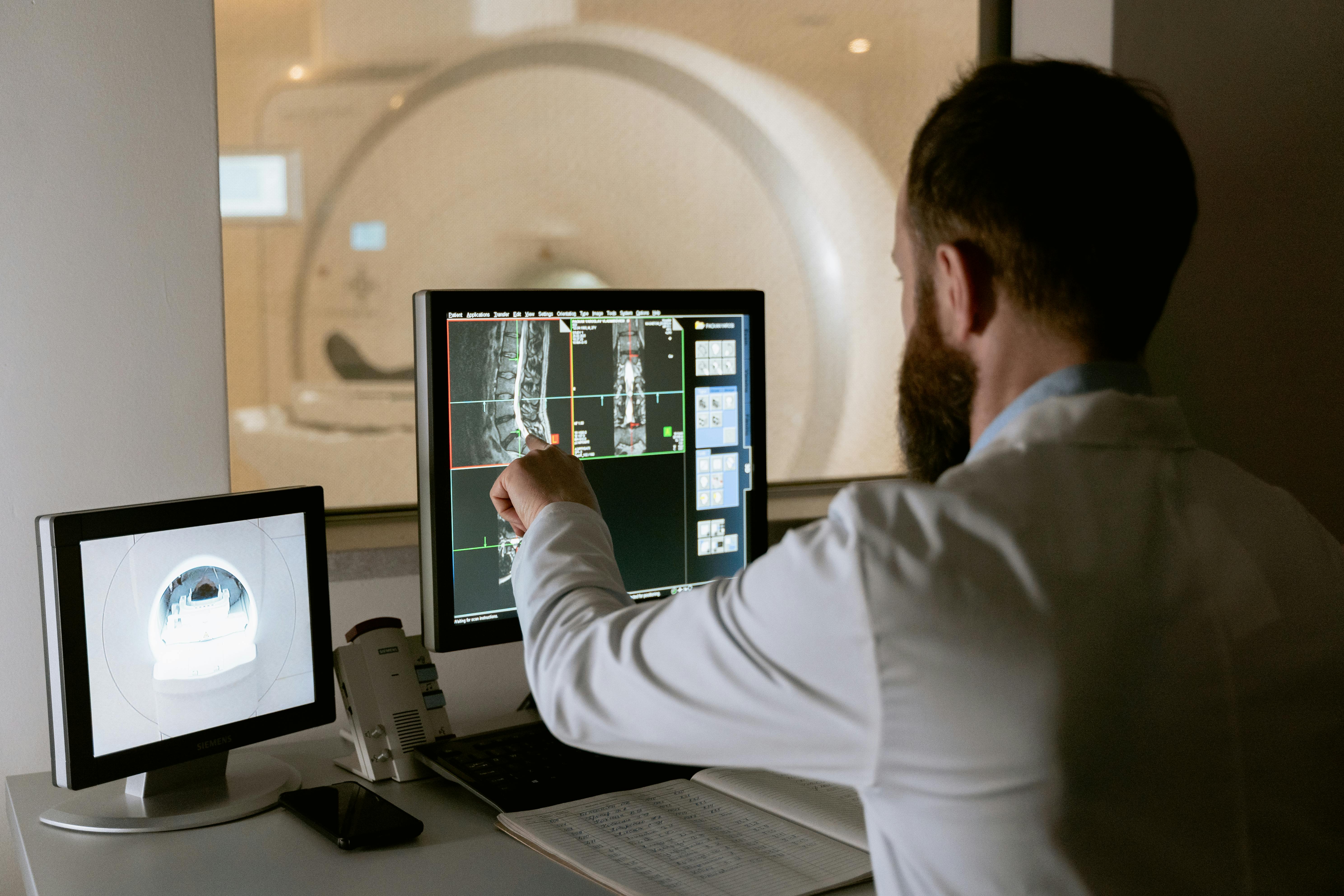
Radiologists Can't Spot AI Deepfake X-Rays, Study Finds
A 2026 Radiology study reveals board-certified radiologists cannot reliably detect AI-generated chest X-rays, raising serious patient safety concerns.
By Priya Patel
The latest medical technology coverage from Hawaii Medical Journal.
A 2026 Radiology study reveals board-certified radiologists cannot reliably detect AI-generated chest X-rays, raising serious patient safety concerns.

Doctronic, an AI-assisted telehealth startup, closed a $40M Series B in March 2026, bringing total funding to $65M in under twelve months.

As biotech and pharmaceutical teams grapple with fragmented vendor networks and chronic supply delays, a new class of digital procurement marketplaces is emerging to streamline how labs order everything from reagents to research equipment.

A recent Nature Medicine study demonstrates that somatic loss of the Y chromosome significantly increases type 2 diabetes risk in East Asian men, particularly those with low polygenic risk scores, with direct evidence of Y chromosome loss in pancreatic β-cells.
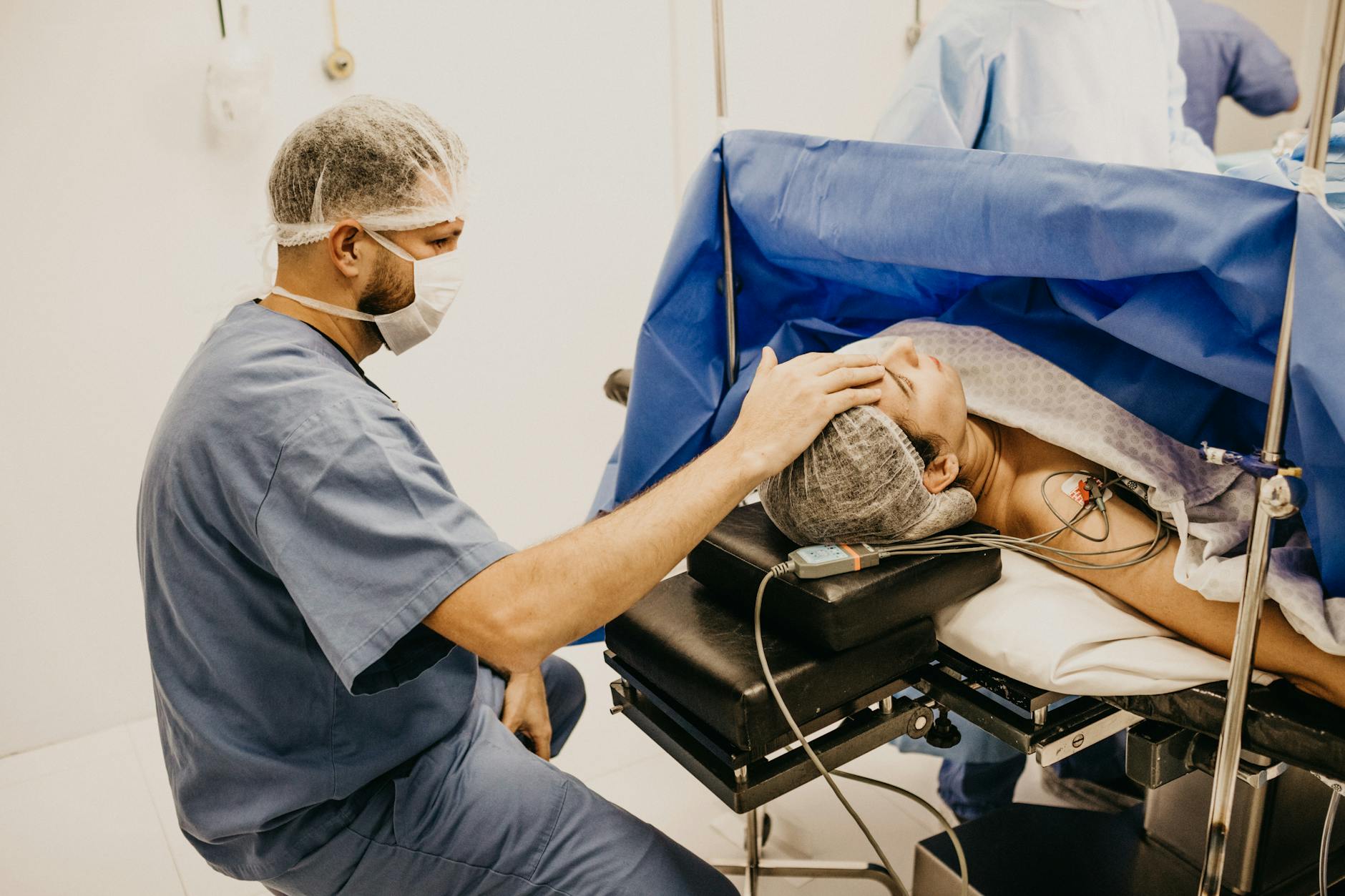
Analysis of recent federal funding restrictions reveals substantial decline in human fetal tissue research support, with implications for developmental biology studies, vaccine production, and disease modeling capabilities.
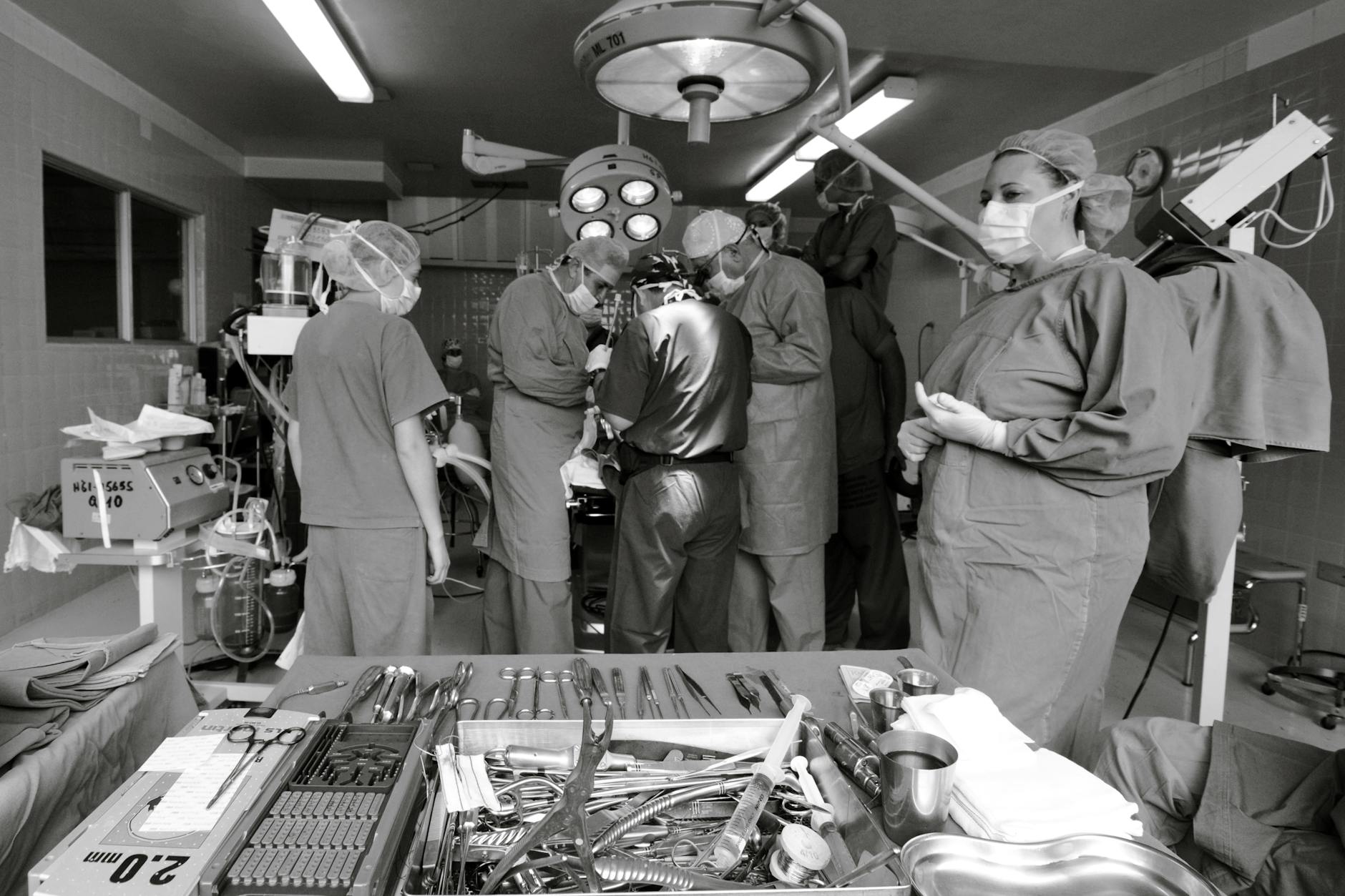
An LLM-assisted systematic review of 4,609 clinical studies published between 2022-2025 demonstrates that only 22.7% utilized real-world patient data, with merely 19 prospective randomized trials conducted. The analysis reveals substantial evidence gaps despite rapid proliferation of medical AI research at 3.2 publications per day.
A phase 1 clinical trial of liver-targeted PCSK9 base editing demonstrates preliminary efficacy for familial hypercholesterolemia treatment, though significant optimization challenges remain for clinical translation. The study represents an important milestone in applying CRISPR-based therapeutics to cardiovascular disease management.