Supreme Court Reviews Amish School Vaccination Case as Religious Exemptions Face Scrutiny
The Supreme Court recently vacated Miller v. McDonald and sent the case back to district court for further review, signaling support for several New York Amish families challenging state vaccination requirements, according to court records.
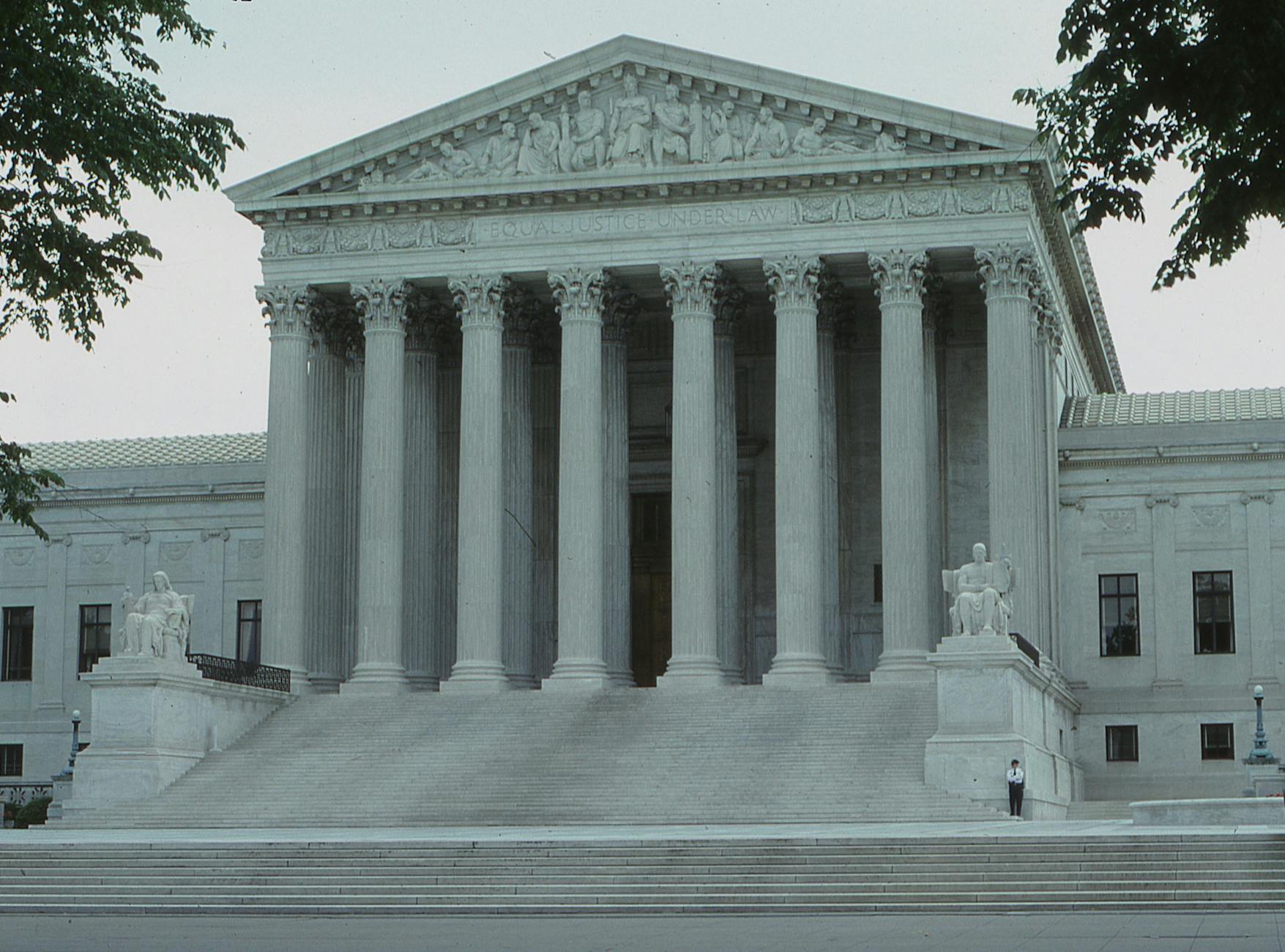
The Supreme Court recently vacated Miller v. McDonald and sent the case back to district court for further review, signaling support for several New York Amish families challenging state vaccination requirements, according to court records.
The families, who serve as administrators of private rural Amish schools, are contesting $118,000 in state fines imposed for not enforcing New York’s 2019 requirement that all schoolchildren receive vaccinations regardless of parents’ religious convictions, according to the case documents.
The 2019 law emerged after travelers from Israel brought measles to New York ultra-Orthodox Jewish neighborhoods, where some residents had adopted religiously informed teachings against vaccinations, according to legislative records. However, little evidence suggests New York legislators had particular concerns with the Amish community when passing the law.
The Amish focus has gained relevance as their populations grow exponentially through high fertility rates, according to demographic studies. These communities also periodically experience outbreaks of vaccine-preventable diseases, including rubella and pertussis, and Amish vaccination rates likely declined in recent years.
Even as the Miller case progressed through courts, Amish measles cases arose across different states, likely stemming from contact with similarly under-vaccinated “Low German” or “colony” Mennonite populations found in west Texas, rural Canada, and Latin America, according to health officials.
The debate over religious exemptions continues as measles outbreaks occur nationwide, most recently in South Carolina, raising questions about the intersection of vaccination and faith among religious communities.
For many religious objectors, including the Amish, vaccination rejection represents a situational interpretation of religious doctrine rather than a direct theological mandate, according to religious scholars. By today’s Western standards, the Amish constitute a doctrinally conventional Christian group with no central religious tenant governing health practices directly.
However, deeper Amish theology reveals more complex considerations. The Amish belief system emphasizes that when individuals highly esteem certain innovations, religious purity may erode, according to theological experts. For example, people first making changes such as getting vaccinated may also prefer other modifications including work tools, behavioral practices, or new representations of identity in dress, transportation modes, or home styles.
This creates concerns that approving vaccines may inadvertently embolden individuals to make further changes and encourage co-religionists to condone those changes for the entire group, according to Amish religious teachings. This process triggers what adherents view as a slippery slope toward apostasy or de-prioritizing religious commitments.
While some Amish communities selectively vaccinate, others pursue no vaccinations at all, creating varied approaches within the broader religious community. The constitutional protection of religious free exercise adds legal complexity to vaccination mandate enforcement.
Understanding these religious perspectives becomes important not only for legal considerations but also for productive dialogue between different viewpoints on public health policy, according to social scientists studying the community.
The Miller case represents a significant test of how courts balance religious freedom against public health requirements, particularly as vaccination debates continue across multiple states. The Supreme Court’s decision to remand the case suggests the justices want lower courts to examine more carefully the intersection of religious conviction and state health mandates.
As Amish populations continue growing and maintaining distinct religious practices, the outcome of this case could influence how similar religious exemption challenges are handled nationwide. The district court will now reconsider the $118,000 in fines against the Amish school administrators while weighing constitutional religious protections against state vaccination requirements.